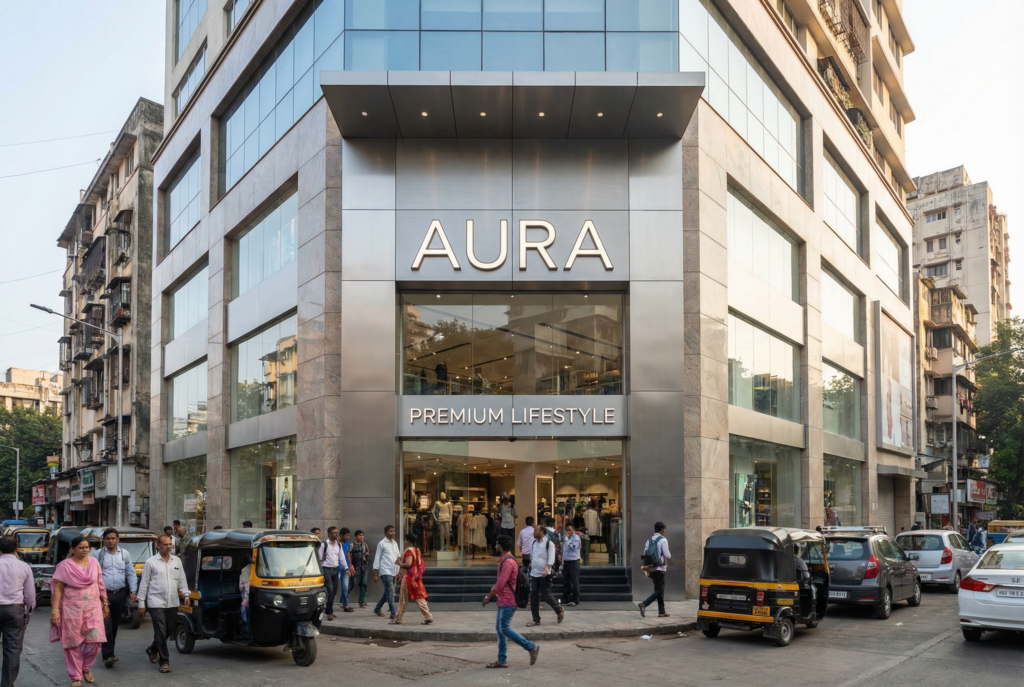
In 2026, retail store signage plays a far more strategic role than simple branding or visibility. It directly impacts footfall, customer navigation, brand perception, and in-store conversions. With rising competition in physical retail and higher expectations from consumers, successful retail brands are investing in signage strategies that are customer-journey driven, visually minimal, consistent across locations, and easy to maintain—turning signage into a measurable business asset rather than a decorative element.
With rising competition, higher rentals, and shorter attention spans, only well-planned signage systems succeed—not random designs.
Signage in 2026 Is About Impact, Not Presence
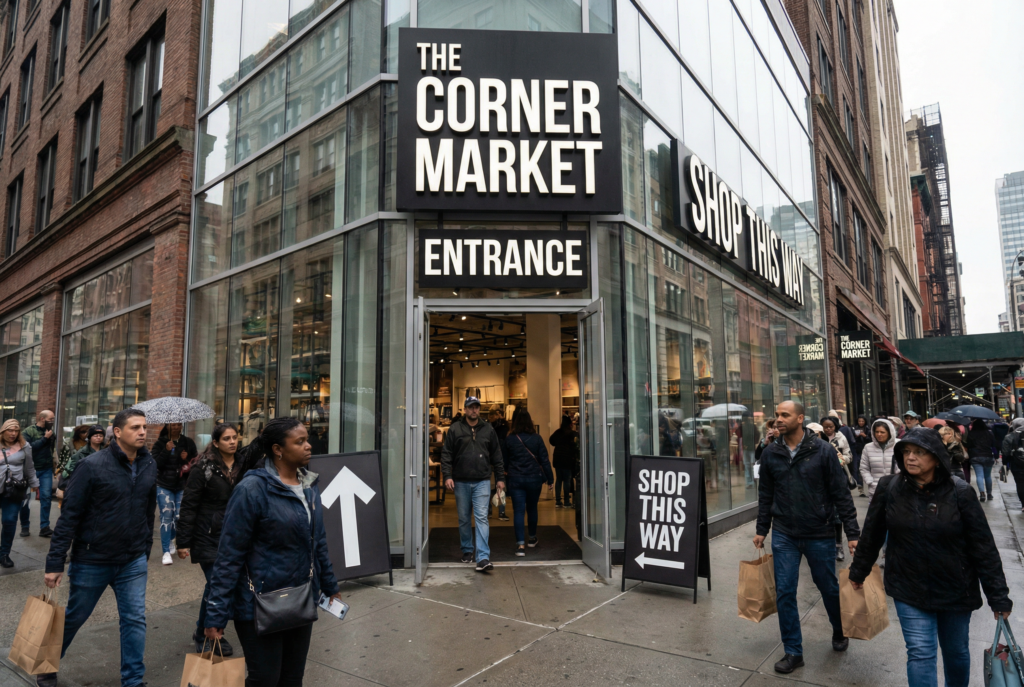
A successful retail store signage today must do three things clearly:
- Attract attention instantly
- Guide customers effortlessly
- Support buying decisions subtly
If signage fails at even one of these, it becomes a cost instead of an asset.
Customer Journey Defines Successful Signage
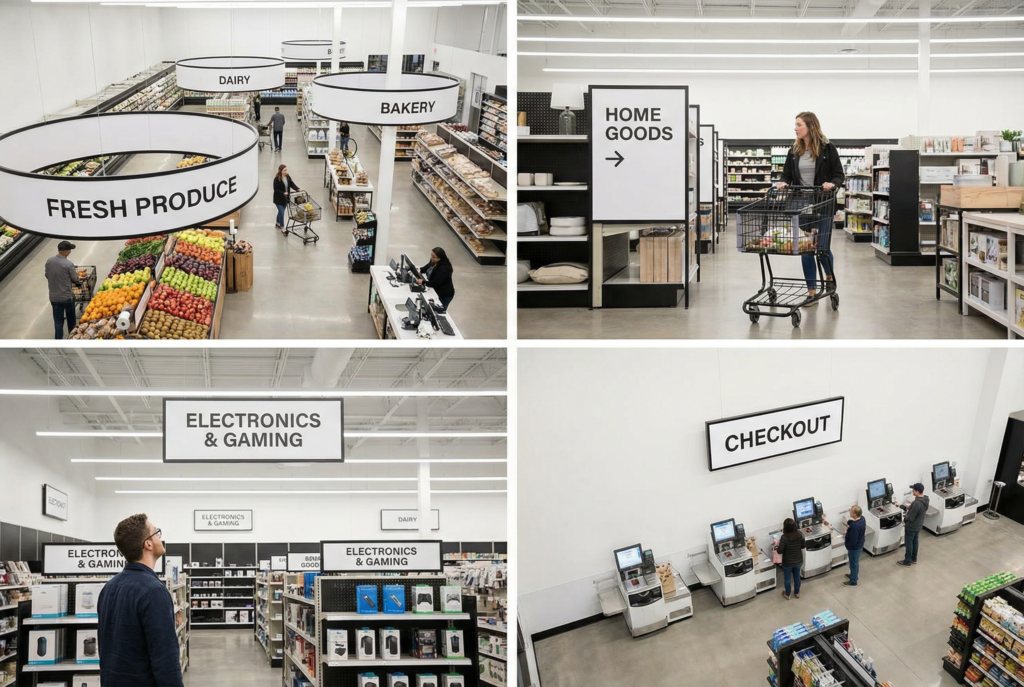
In 2026, signage design starts with customer behaviour, not aesthetics.
High-performing retail signage is strategically placed at:
- Store entry & façade
- First visual zone (first 5–10 seconds inside)
- Category transition points
- Promotional and offer zones
- Billing and exit areas
Each signage unit has one clear purpose—nothing extra.
Clean, Minimal Signage Outperforms Loud Designs
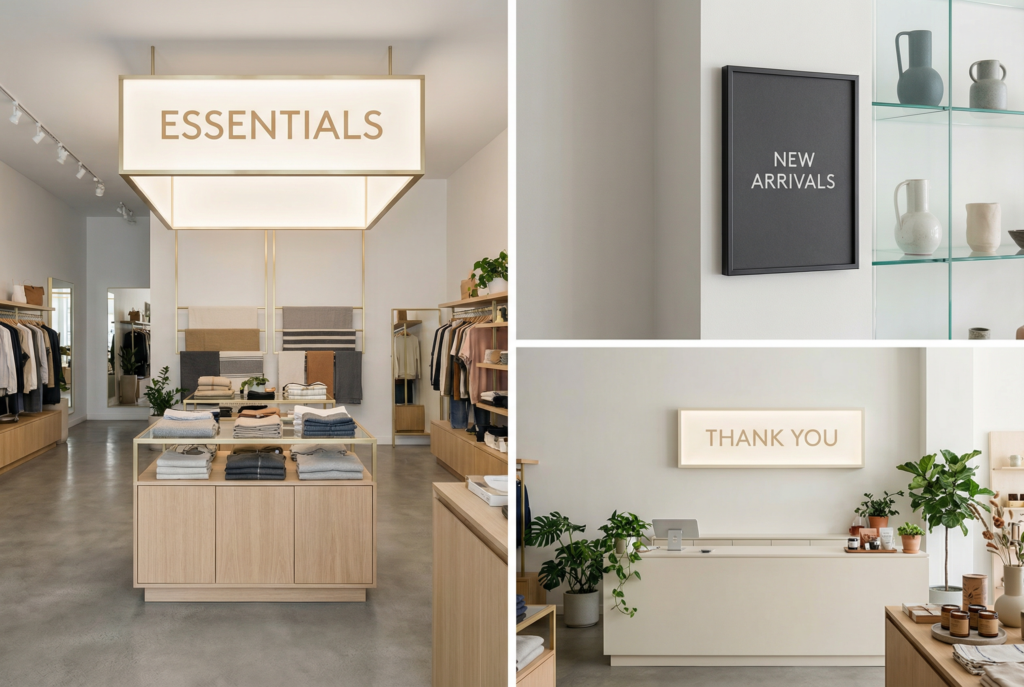
Retail brands are moving away from cluttered boards and excessive messaging.
What works in 2026:
- Large, readable typography
- Fewer communication points
- Slim profiles and premium finishes
- Visual breathing space
Minimal signage builds trust and premium perception, while clutter creates confusion.
Consistency Across Stores Builds Brand Authority
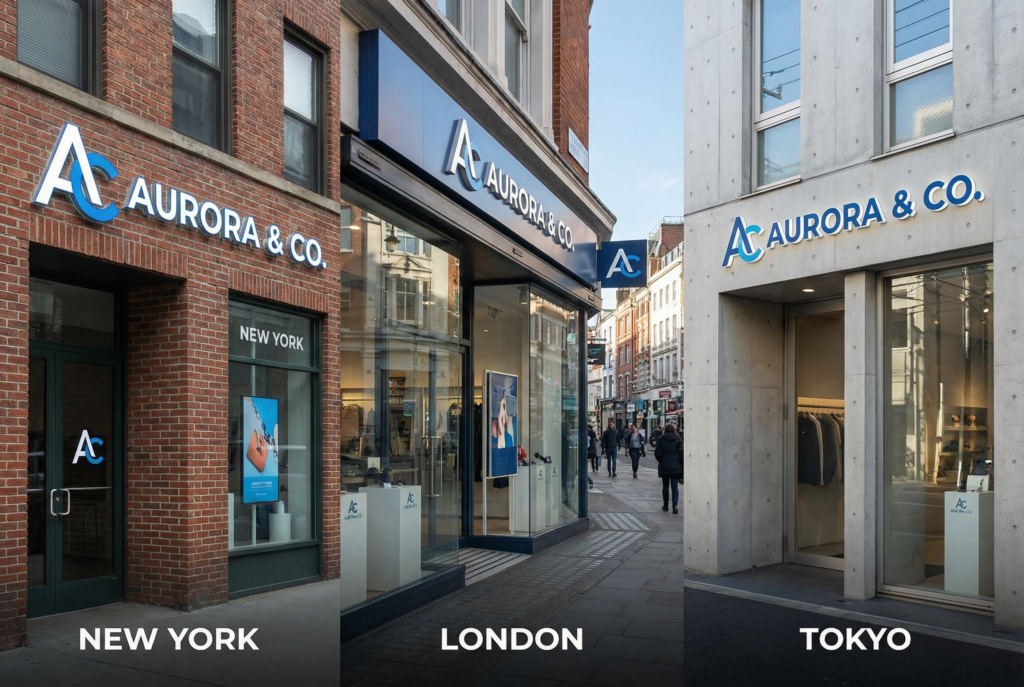
For multi-location brands, signage success depends on uniform execution.
Successful brands ensure:
- Same materials and finishes across cities
- Identical colour tones and illumination
- Standardised installation quality
- Centralised signage control
Inconsistency weakens brand recall—even if design is good.
Maintenance Is a Core Part of Signage Success
In 2026, damaged or faded signage kills credibility instantly.
Winning retail signage strategies include:
- Preventive maintenance plans
- Fast repair and replacement cycles
- Seasonal graphic refreshes
- AMC or central maintenance models
Well-maintained signage silently communicates brand reliability.
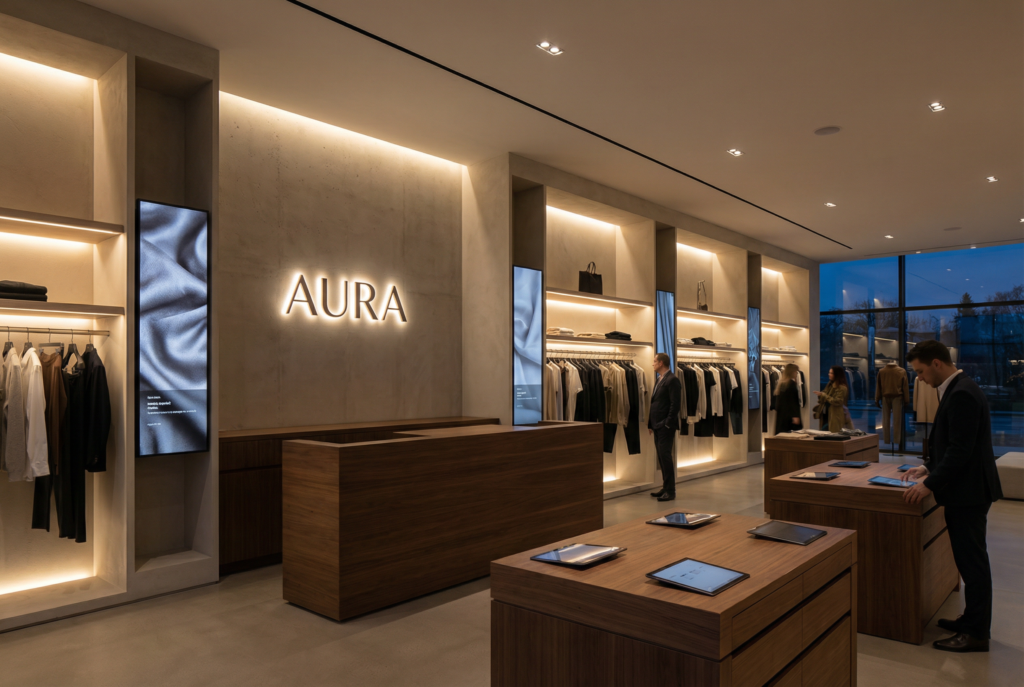
Smart Use of Technology (Not Overuse)
Modular & Scalable Signage Wins on Cost and Speed
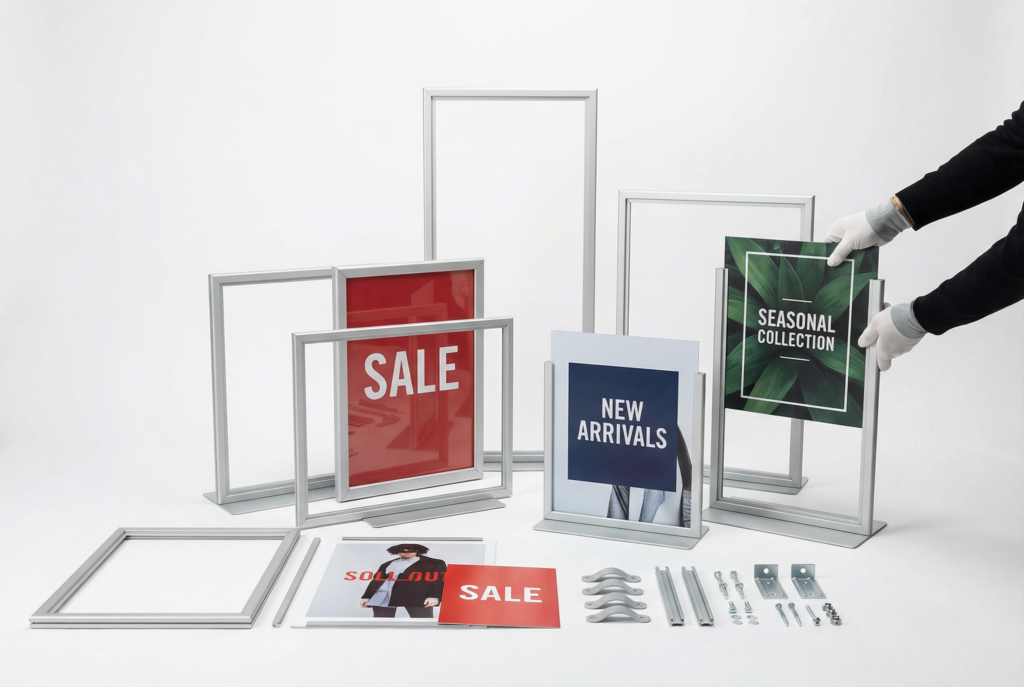
Retail brands now prioritise long-term efficiency over one-time builds.
Successful signage systems are:
- Modular and reusable
- Easy to update without dismantling
- Scalable across store formats
- Faster to roll out nationwide
This approach reduces future redesign and rollout costs significantly.
Signage Must Support the Store Experience
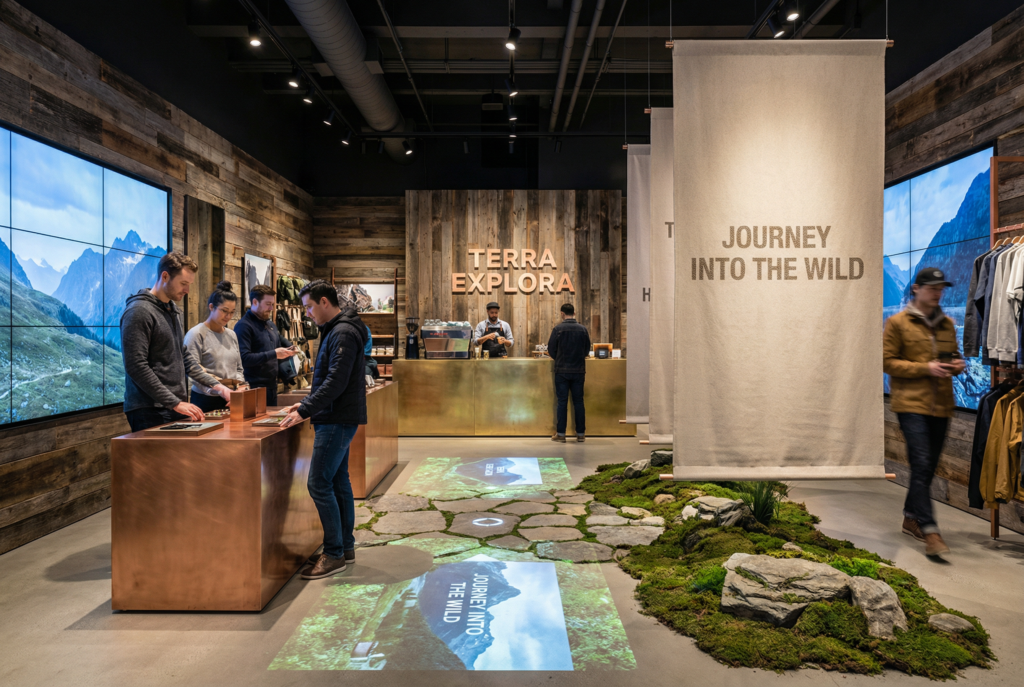
In 2026, signage does not compete with the store—it completes it.
Successful signage:
- Aligns with brand tone
- Complements visual merchandising
- Works with lighting and layout
- Feels intentional, not imposed
When signage blends naturally, customers stay longer and convert better.
What Truly Makes Retail Store Signage Successful in 2026?
A retail store signage is successful when it is:
- Customer-journey driven
- Visually minimal but impactful
- Consistent across all locations
- Planned with maintenance in mind
- Modular, scalable, and cost-efficient
- Aligned with the overall retail experience
In 2026, signage is no longer decoration—it is retail infrastructure.
Why Brands Work With 4Pz
4Pz delivers end-to-end retail signage solutions—from strategy and design to fabrication, installation, and centralised maintenance—built specifically for real retail environments and multi-location brands.